
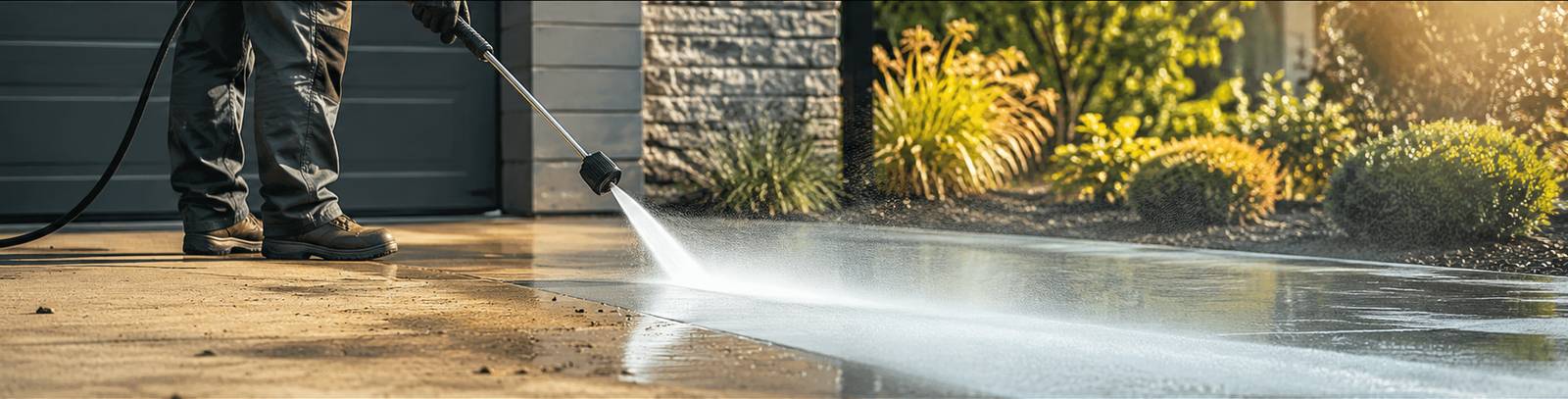
Driveway & concrete pressure washing in Miami
Black mildew, tire marks, oil drips and rust from sprinklers. KLASH uses rotary surface cleaners and targeted treatments to get concrete back to one even color, with no zebra stripes from a wand.
- Fully insured
- Free written quotes
- Satisfaction guarantee
- Se habla español
The difference
Why rental pressure washers leave stripes
A handheld wand cleans a narrow strip at a time, and every pass overlaps differently. The result is lines you can see from the street.
A rotary surface cleaner spins two jets inside a hood at a fixed height, cleaning a 20-inch path evenly. It’s faster, more uniform and doesn’t gouge the surface.
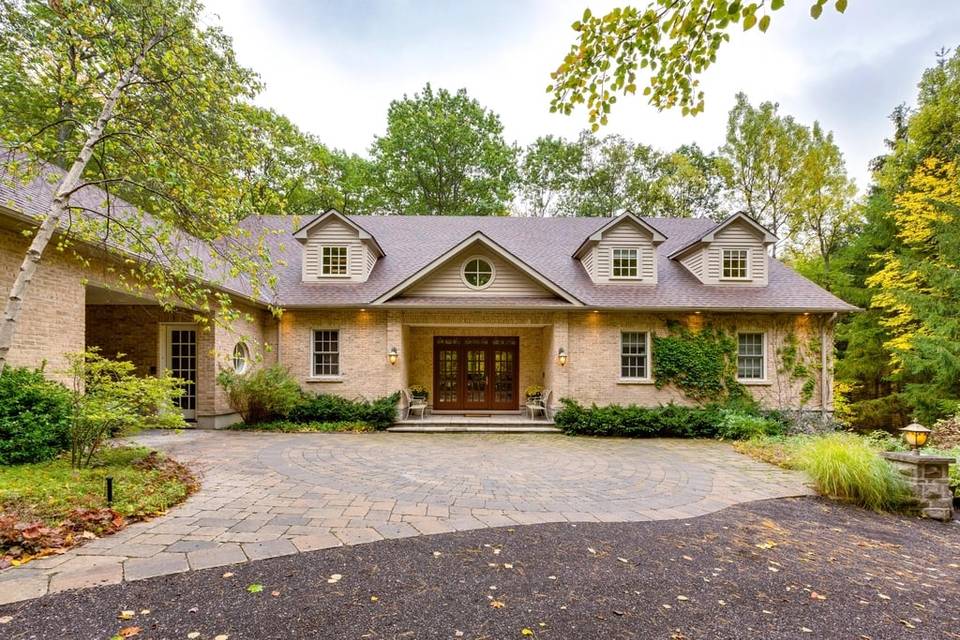
Residential
Driveways, walkways and entryways
Most residential concrete jobs are done in under two hours. Oil and rust stains are pre-treated before washing, and edges are detailed by hand.
- Driveways, sidewalks and front walks
- Oil, rust and tire mark treatment
- Curbs, gutters and garage aprons
- Optional penetrating sealer
Commercial
Sidewalks, parking areas and garages
Hot-water units cut through grease and gum on high-traffic concrete. KLASH works overnight on a recurring schedule and reclaims water where required.
- Storefront sidewalks and gum removal
- Parking garages and stairwells
- Loading docks and service lanes
- Recurring monthly or quarterly visits
How it works
From stained to uniform
- 01
Pre-treat
Degreaser on oil spots, rust remover on orange sprinkler stains.
- 02
Surface clean
Rotary cleaner across the full slab for an even finish.
- 03
Detail edges
Wand work along edges, expansion joints and steps.
- 04
Post-treat & rinse
A mild post-treatment slows mildew regrowth; everything is rinsed clean.
Should I seal my driveway?
Sealing isn’t required, but it makes the next cleaning easier and slows staining. KLASH can apply a breathable penetrating sealer once the concrete dries.
Can every stain come out?
Fresh oil and mildew come out fully. Old rust and deep oil may lighten significantly but not disappear, you’ll be told honestly before work starts.
What stains Miami concrete
Concrete is porous, and in South Florida it rarely gets a chance to dry out completely. That’s why driveways here turn grey-black in shaded areas and around downspouts within a year or two. The usual culprits:
- Mildew and algae, the dark film that spreads from shaded edges and under trees
- Oil and transmission fluid under parked cars
- Rust from irrigation systems that use well water, which leaves orange fan-shaped stains
- Tire marks at the garage apron and where cars turn in
- Leaf and seed stains from black olive, mango and oak trees
Each one comes off differently. Mildew responds to a cleaning solution and pressure; oil needs a degreaser and hot water; rust needs an acid-based remover. Treating them correctly is the difference between a driveway that looks clean when it’s wet and one that still looks clean after it dries.
Why surface cleaners matter
A rotary surface cleaner holds two spinning jets at a fixed height under a round hood. Every inch of concrete gets the same distance and pressure, so the finish comes out one even color. A handheld wand held at different distances is what causes the light and dark stripes you see on DIY jobs, and holding it too close can etch the cream layer off the concrete, exposing the aggregate underneath.
What a driveway visit includes
- Pre-treatment of oil, rust and heavy mildew areas
- Surface cleaning of the full driveway, front walk and sidewalk in front of the home
- Edge, joint and step detailing with a wand
- Garage apron and curb cleaning
- A post-treatment that slows mildew regrowth
- A final rinse of nearby walls and landscaping
Sealing: optional, but worth knowing about
A penetrating sealer soaks into the concrete instead of forming a film on top, so it doesn’t make the surface slippery or peel. It slows staining and makes the next cleaning easier. Sealer goes on after the concrete has dried, which usually means the same visit for a quick-drying driveway or a short return trip. Pavers need a different sealer; see paver cleaning and sealing.
Pairing it with other work
Driveways are most often booked with a house wash, because the runoff from washing the house lands on the driveway anyway. Doing both in one visit costs less than two separate trips.
Questions
Before you book
More answers on the FAQ page.
How long before I can drive on it?
Right away. If a sealer is applied, wait 24 hours.
Will it damage my concrete?
Surface cleaners run at a controlled height and pressure. Older or flaking concrete is tested in a small area first.
How much does driveway pressure washing cost?
It depends on the square footage, how stained the concrete is and whether you want stain treatment or sealing added. Send the address and a photo of the driveway for a fixed written price within one business day.
How often should a driveway be cleaned in Miami?
Once a year keeps most driveways looking even. Shaded driveways and those under trees that drop leaves or seeds may need cleaning every six to nine months, because mildew returns faster without direct sun.
Can you remove oil stains?
Fresh oil drips usually come out completely with a degreaser and hot water. Oil that has soaked in for years will lighten noticeably but may leave a shadow. You’ll get an honest expectation before work starts.
What about the orange stains from my sprinklers?
Those are iron deposits from well water. They need a rust remover made for concrete, which is applied before the wash. Mention them in your quote request so the treatment is priced in.
Related services
Often booked together
Get a free, no-pressure quote
Send a few photos and the address. KLASH replies within one business day with a written price.
- Fully insured
- Free written quotes
- Satisfaction guarantee
- Se habla español