
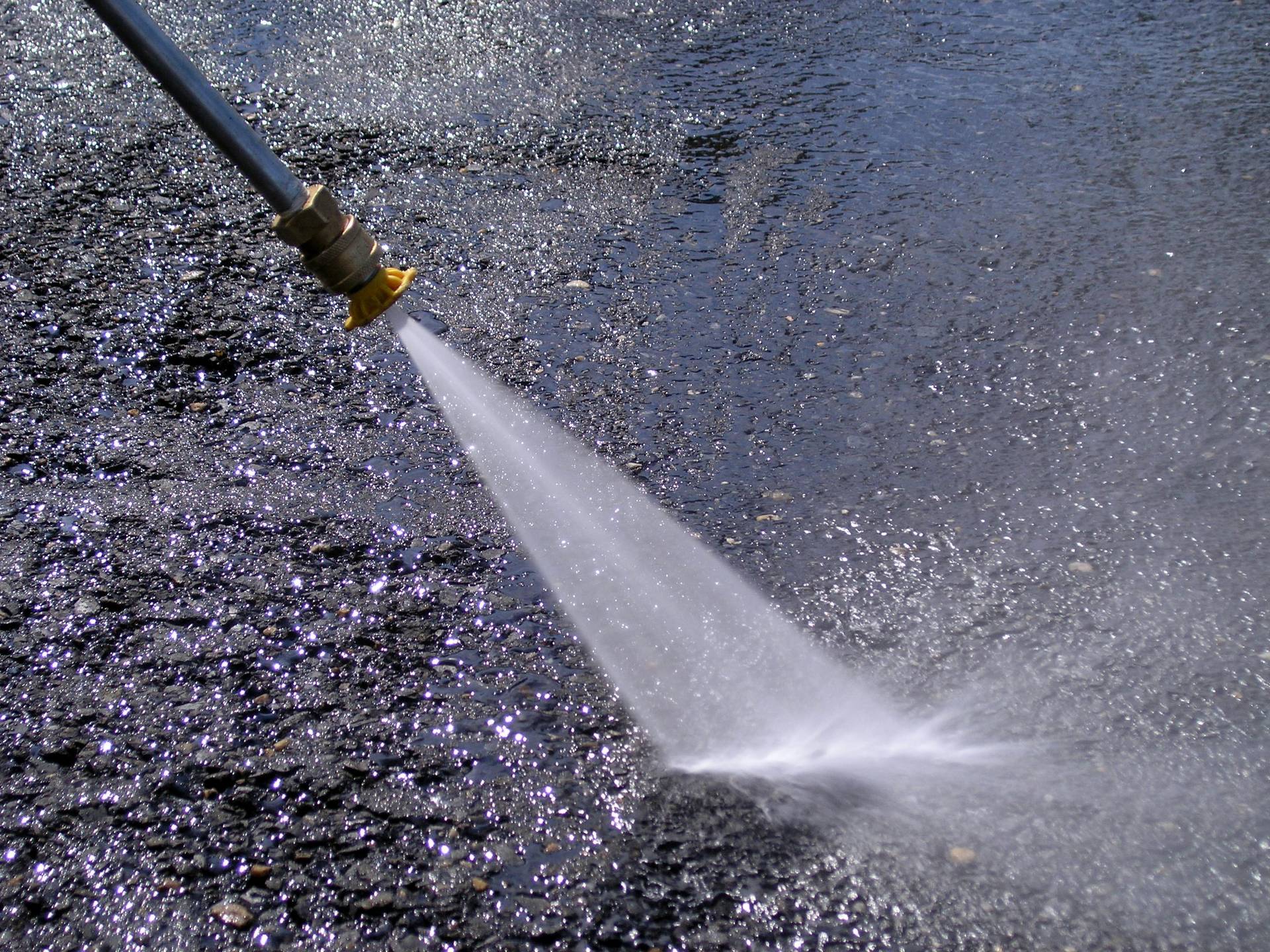
Pool deck, patio & paver cleaning in Miami
Pavers turn dark, joints sprout weeds, and pool decks get slippery with algae. KLASH cleans, re-sands and seals so your outdoor space looks and feels the way it did when it was installed.
- Fully insured
- Free written quotes
- Satisfaction guarantee
- Se habla español
More than a rinse
Paver care is a three-part job
Cleaning alone flushes sand out of paver joints, which lets weeds and ants move in and loosens the pavers over time.
That’s why KLASH offers cleaning, polymeric sand and sealing as one service. Each step can be booked on its own, but together they last years longer.
Residential
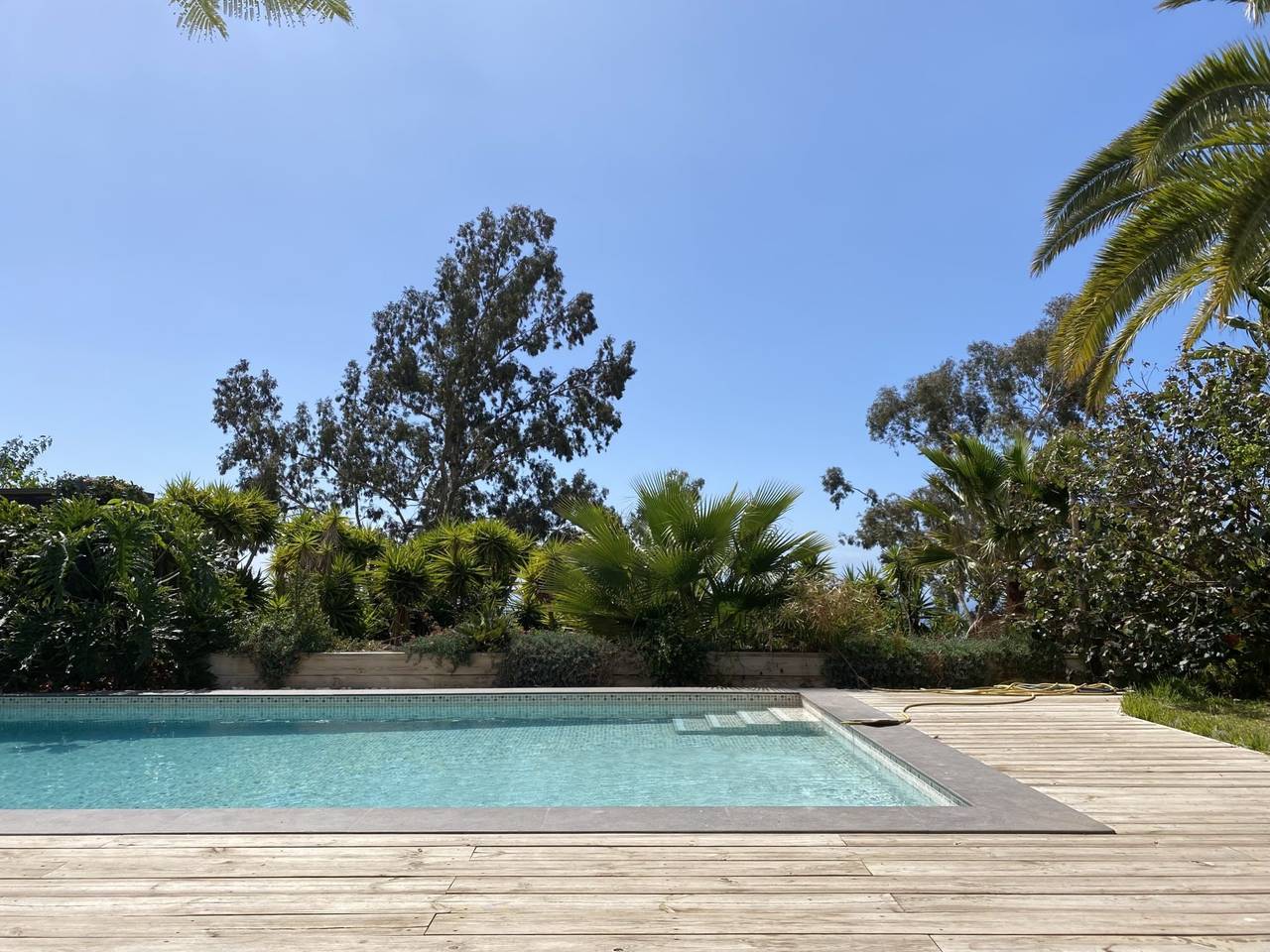
Pool decks, patios and lanais
Surface-specific methods for every material: lower pressure for travertine and coral stone, surface cleaners for pavers, soft wash for screened enclosures.
- Concrete pavers, travertine, coral stone
- Chattahoochee and cool-deck finishes
- Polymeric joint sand
- Wet-look or natural sealer
Commercial
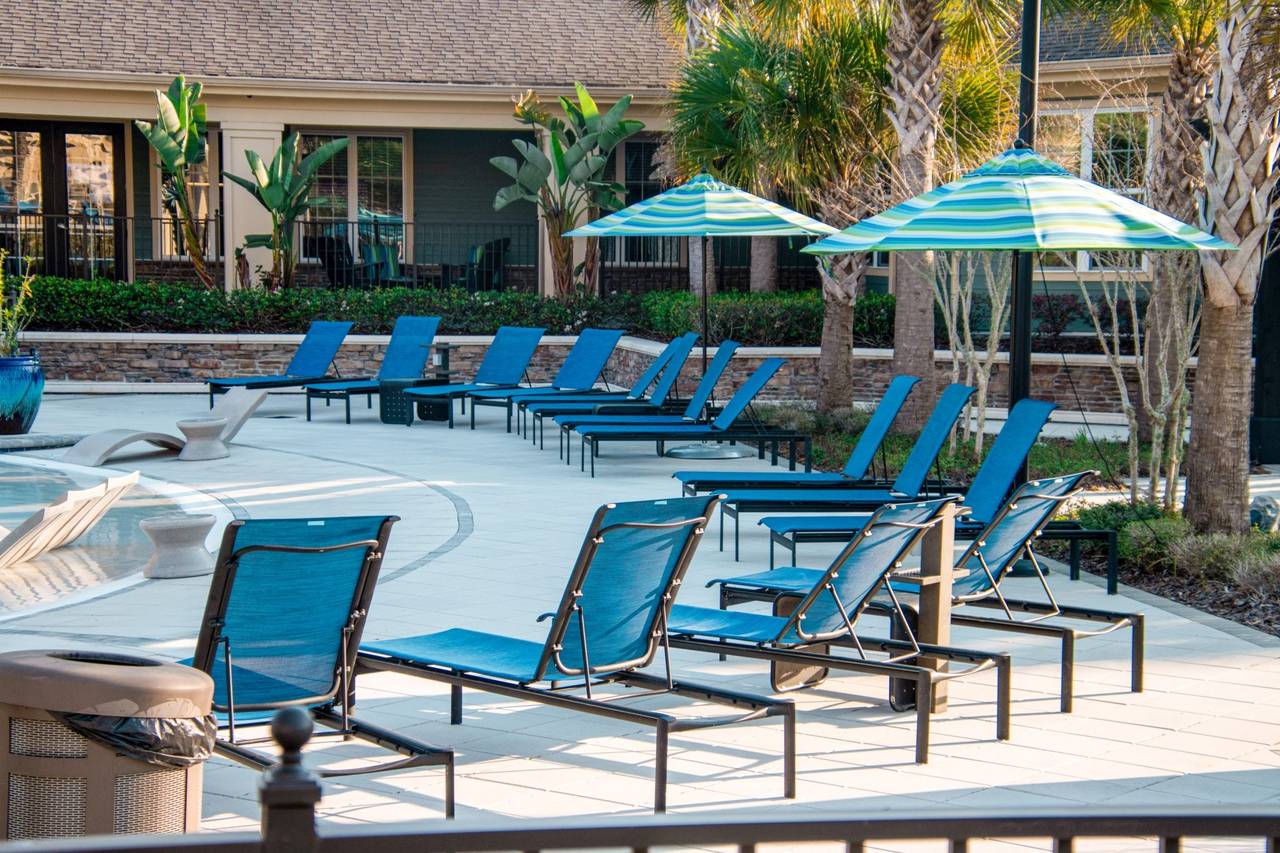
Hotel, condo and community pool areas
Amenity decks stay open as much as possible. KLASH can work in sections or overnight, and coordinates closures with management.
- Sectioned work to limit closures
- Slip-resistant sealer options
- Furniture moved and returned
- Scheduled before peak season
How it works
Clean, sand, seal
- 01
Clean
Surface cleaner across pavers, detail work on steps, coping and edges.
- 02
Re-sand
Polymeric sand swept into joints and set with a light mist.
- 03
Dry
Usually 24–48 hours before sealing.
- 04
Seal
Sealer applied in even coats; furniture back the next day.
Wet-look or natural?
Wet-look deepens color with a slight sheen. Natural protects without changing appearance. Both are breathable and UV-stable.
Why pavers need more than pressure washing
Pavers are held in place by the sand packed between them. A high-pressure clean, whether by a homeowner or a contractor in a hurry, blasts that sand out of the joints. Without it, pavers start to shift, weeds and grass take root, and ants build mounds that lift the edges. That’s why a proper paver job is cleaning, then re-sanding, then sealing.
The materials common in Miami-Dade
- Concrete pavers, the most common driveway and pool deck material
- Travertine, a natural stone popular around pools because it stays cooler underfoot
- Coral stone (keystone), a soft natural stone found in older Coral Gables and Coconut Grove homes
- Chattahoochee, a pebble-aggregate finish common on older pool decks
- Cool-deck and acrylic coatings on concrete pool decks
Each takes different pressure and different cleaning chemistry. Natural stones are softer and more porous than concrete pavers, and acid-based cleaners that are fine on concrete can etch them.
What each step does
Cleaning. A surface cleaner removes mildew, algae, dirt and old flaking sealer. Steps, coping, edges and drains are detailed by hand.
Re-sanding. Polymeric sand is swept into the joints and misted so it sets. It stays flexible enough to allow small movement but firm enough to resist washout, weeds and ants.
Sealing. After the pavers dry, sealer is sprayed and back-rolled in even coats. Sealer slows staining, keeps joint sand in place, reduces fading from sun and pool chemicals, and makes future cleaning easier.
Wet-look vs. natural sealer
A wet-look sealer deepens the color and gives a light sheen, similar to how pavers look right after rain. A natural-finish sealer protects the surface without changing how it looks. Both are breathable, which matters in Florida: a sealer that traps moisture can turn white and cloudy.
How long it lasts
In full South Florida sun, sealed pavers typically need resealing every two to three years. A light cleaning in between keeps them looking fresh.
Planning the visit
Furniture is moved and returned. Pool equipment and the pool itself are protected, and runoff is directed away from the water. Cleaning and re-sanding happen on day one; sealing follows once the pavers are dry, usually a day or two later. Many homeowners pair this with a house wash or driveway cleaning.
Questions
Before you book
More answers on the FAQ page.
Is it safe for my pool water?
Runoff is directed away from the pool and the deck is rinsed thoroughly. Your pool service won’t notice a difference.
How often should pavers be sealed?
Every two to three years in South Florida sun.
How much does paver cleaning and sealing cost?
Pricing depends on the square footage, the material, whether old sealer needs to be stripped, and whether you want cleaning only or cleaning, sand and seal. Send photos and the address for a fixed written price.
Will sealing make my pool deck slippery?
It shouldn’t. KLASH uses breathable sealers suited to pool decks, and a slip-resistant additive can be mixed in for areas around steps and the pool edge.
Can you clean travertine and coral stone?
Yes, at lower pressure and with cleaners that are safe for natural stone. These materials are softer than concrete pavers and can be etched by the wrong chemical or too much pressure.
Why are ants and weeds coming up between my pavers?
The sand in the joints has washed out, usually from rain and past cleanings. Re-sanding with polymeric sand fills the joints and hardens enough to discourage weeds and ants.
Related services
Often booked together
Get a free, no-pressure quote
Send a few photos and the address. KLASH replies within one business day with a written price.
- Fully insured
- Free written quotes
- Satisfaction guarantee
- Se habla español